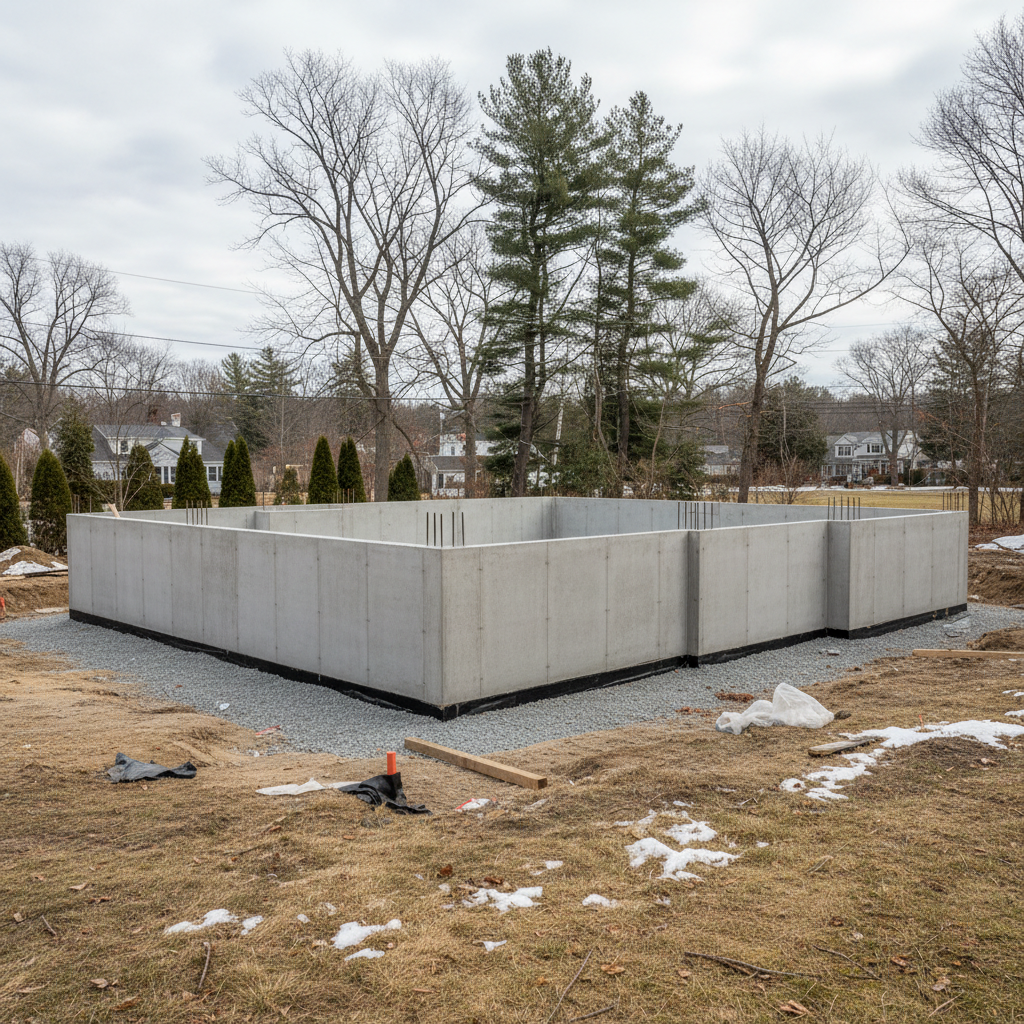
Is your home's foundation really ready for another New England year? Around here, we truly put our concrete through its paces, don't we? From those freezing winters to the muggy summers, our climate is just tough on everything, and your foundation definitely isn't an exception. As a concrete contractor who's pretty much seen it all in Brookline, I can tell you that a little seasonal awareness goes a long, long way in protecting your biggest investment.
Why Brookline's Climate Hits Your Foundation Hard
You know how our weather swings, right? One day it's 70 degrees, the next we're seeing snow. That kind of wild temperature fluctuation, especially combined with our often-wet springs and humid summers, creates a real challenge for concrete. The freeze-thaw cycle is a huge culprit. When water seeps into tiny cracks in your foundation, freezes, and then expands, it can make those cracks bigger. Do that enough times, and you've got yourself some real problems.
Then there's all the moisture. We get a lot of rain, and if your drainage isn't quite up to snuff, that water can just sit right against your foundation. Over time, that's practically asking for trouble, everything from efflorescence to actual structural issues. I've seen plenty of homes in the Fisher Hill area, with their older foundations, that really need careful attention to drainage because of the natural slope of the land there.
When to Get Foundation Work Done (and Why It Matters)
Timing is absolutely everything when it comes to concrete. If you're thinking about a new foundation, an addition, or even just some major repair work, you can't just do it any time of year. Here's my take:
- Spring (Late April to June): This is often the sweet spot. The ground has thawed out, temperatures are usually moderate, and there's enough moisture in the air to help the concrete cure slowly and strongly. You definitely want to avoid those early spring days where it's still dipping below freezing at night, but once things stabilize, it's prime time.
- Summer (July to Early September): You can pour concrete in the summer, no doubt, but it needs a lot more care. Hot, dry weather can make concrete cure too fast, which might lead to cracking. We'll often use special admixtures or just keep the concrete wet longer to manage this. It's totally doable, but you need an experienced crew who knows how to handle the heat.
- Fall (Mid-September to November): Another great window. The air is cooler, and there's less risk of extreme heat or sudden freezes. As long as nighttime temperatures stay above freezing for a consistent period after the pour, you're usually in good shape. You really want to get your foundation work done before the ground freezes solid, if you can.
- Winter (December to March): Generally speaking, this is a no-go for major foundation pours or repairs. Unless it's an absolute emergency and you're willing to pay for significant cold-weather precautions like heated enclosures and special concrete mixes, it's best to wait. It's expensive and adds a lot of complexity. For minor patching or sealing, you might be able to get away with it on a warmer winter day, but for anything structural, you're better off waiting.
The bottom line? We need stable, moderate temperatures for the best results. Here at Neighborly Concrete Inc, we always prioritize doing the job right, and that just means working with the weather, not against it.
Year-Round Protection: Simple Steps for a Strong Foundation
Even after the concrete is poured and cured, your job isn't quite over. A little proactive maintenance throughout the year can save you a ton of headaches and money down the road. Trust me on this one.
- Spring Check-Up: Once the snow melts and things dry out, take a walk around your house. Look for any new cracks in the foundation walls, both inside your basement and outside. Check your gutters and downspouts. Are they clear? Are they directing water far away from your foundation, at least 6 feet out? If water is pooling near the house, that's a big red flag.
- Summer Maintenance: Keep an eye on your landscaping. Are plants growing too close to the foundation? Roots can sometimes cause issues. Make sure your soil around the foundation is graded to slope away from the house, not towards it. This is crucial for shedding rainwater.
- Fall Prep: This is your last chance to address any drainage issues before winter really sets in. Clean those gutters again – falling leaves can clog them fast. If you've got any small cracks, now's a good time to seal them with a quality caulk or sealant to prevent water from getting in and freezing. You definitely don't want water sitting against the foundation when the ground starts to freeze.
- Winter Watch: While you're not doing any heavy lifting, be mindful of snow. Don't let huge piles of snow sit directly against your foundation for weeks on end, especially if it's going to melt and refreeze. If you notice any ice dams on your roof, address them, because that melting water will inevitably find its way down to your foundation.
Your foundation is the bedrock of your home, after all. Taking these seasonal steps isn't just about preventing big problems; it's about making sure your home stays dry, stable, and valuable for years to come. If you ever spot something that looks off or you're just not sure, don't hesitate to give us a call at Neighborly Concrete Inc. We're always happy to take a look and give you an honest assessment.