Your Concrete Flatwork: Built to Last, But Not Indestructible
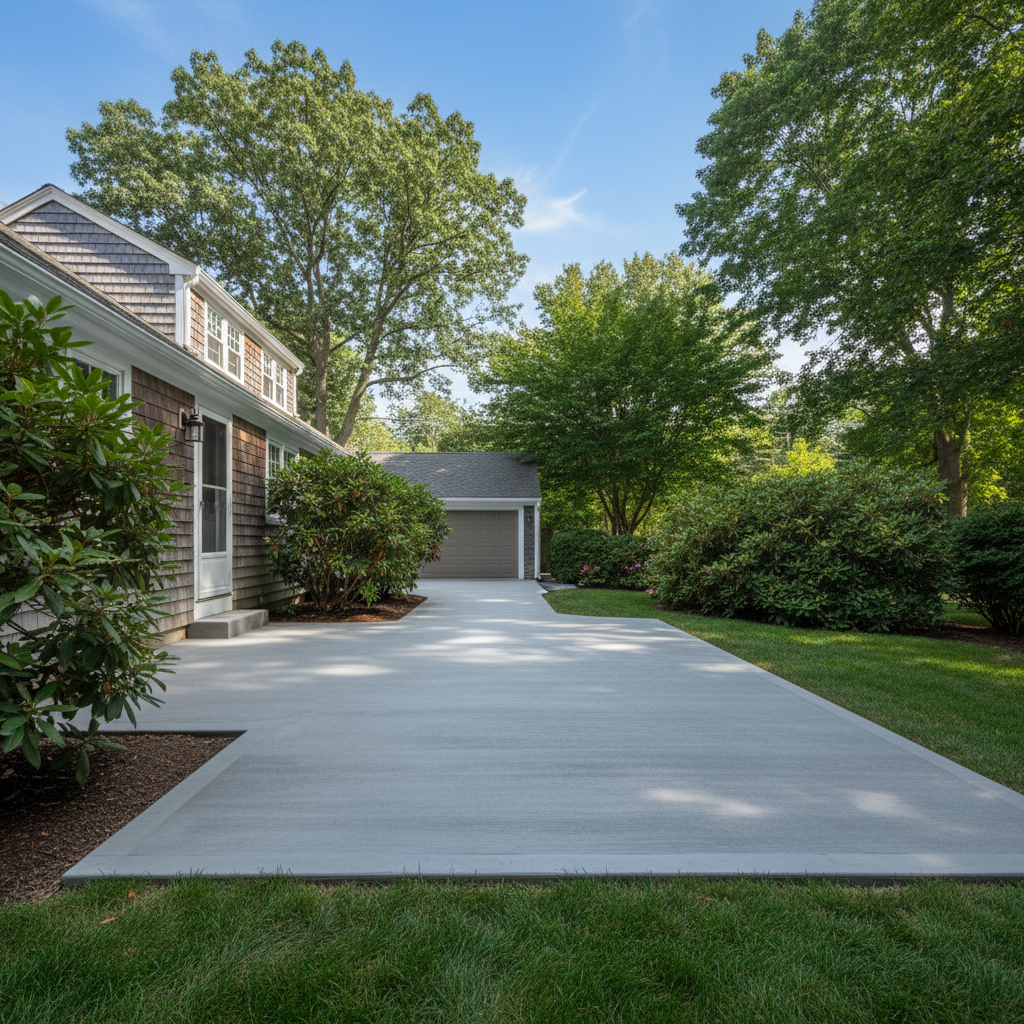
You've got concrete flatwork around your Brookline home – maybe a driveway, a patio, or those steps leading up to your front door. It's tough stuff, no doubt about it. We pour it to last decades, but even the best concrete needs a little care to truly go the distance, especially with our New England weather. Think about it: freezing winters, thawing springs, hot summers, then back to freezing. That cycle is brutal on everything, concrete included. I've seen plenty of perfectly good concrete get neglected and end up needing repairs way sooner than it should.
Making Your Concrete Last Longer: It's Easier Than You Think
The biggest thing you can do to make your concrete last is pretty simple: keep water out of it. Concrete is porous, meaning it has tiny little holes. When water gets in there and then freezes, it expands. That expansion is what causes cracks, spalling (those little flakes coming off), and general deterioration. This is especially true here in Brookline, where we get deep freezes and plenty of snow and ice.
- Seal It Up: This is your first line of defense. You should put a good quality penetrating sealer on your concrete every 2-5 years. The exact timing depends on the product and how much traffic the concrete sees. It doesn't just sit on top; it soaks in and creates a barrier against water, salts, and oils. It's like putting a really good raincoat on your concrete, you know? For new concrete, we usually recommend sealing it after it's had about 28 days to fully cure.
- Good Drainage: Make sure water isn't pooling on or near your concrete. If your downspouts are dumping water right onto your patio, or if your driveway has a low spot that collects puddles, you're asking for trouble. Redirect that water away. Good grading around your home is key for everything, not just concrete.
- Skip the De-icing Salts: I know, it's tempting to throw down rock salt when it's icy. But chloride-based salts (like rock salt) are incredibly damaging to concrete. They speed up that freeze-thaw cycle damage and can even chemically break down the concrete surface. Use sand for traction, or look for de-icers that are specifically labeled as concrete-safe, like those containing calcium magnesium acetate (CMA). Even then, use them sparingly.
- Clean Spills Quickly: Oil, grease, rust, even leaves left to decompose can stain and sometimes even etch concrete if left too long. A quick wash with soap and water usually does the trick.
Regular Maintenance: What You Should Be Doing
Beyond sealing, a few routine things will keep your concrete looking good and performing well.
- Sweep Regularly: Get rid of dirt, leaves, and debris. This prevents organic matter from breaking down and staining, and it also keeps abrasive grit from getting ground into the surface by foot or vehicle traffic.
- Pressure Wash (Carefully): A light pressure wash once a year can remove built-up grime and refresh the look. Be careful not to use too high a pressure or hold the nozzle too close, especially on older or softer concrete, as you can actually damage the surface. A fan tip and keeping your distance is usually best.
- Deal with Weeds: Weeds growing in cracks aren't just unsightly; their roots can actually widen those cracks over time. Pull them out or use a weed killer.
- Check for Seasonal Changes: Take a good look at your concrete in the spring after the snow melts. That's when you'll often see new cracks or existing ones getting worse.
Warning Signs: When Something's Not Right
Your concrete will tell you when it's struggling. You just need to know what to look for.
- New Cracks or Widening Existing Ones: Small hairline cracks are pretty common and often harmless, especially in a place like Brookline where the ground shifts with the seasons. But if you see cracks getting wider, longer, or if they're raising one side of the slab higher than the other, that's a red flag.
- Spalling or Pitting: This is when the surface of the concrete starts flaking off or developing small holes. It usually signals water getting into the concrete and freezing, or sometimes damage from improper finishing or de-icing salt.
- Sinking or Uneven Slabs: If a section of your patio or driveway is noticeably lower than the adjacent section, or if there's a trip hazard developing, it means the ground underneath is settling or washing away. This isn't just an aesthetic issue; it's a safety concern.
- Efflorescence: This is that white, powdery substance you sometimes see on concrete. It's mineral salts leaching out of the concrete as water evaporates. While not usually structurally damaging, it can indicate excessive moisture in the concrete or underneath it.
When to Call a Professional (Like Neighborly Concrete Inc.)
Some things you can handle yourself, but for others, it's best to bring in the pros. Trying to DIY a major repair can often make things worse or just be a temporary fix.
- Significant Cracks: If a crack is wider than a quarter-inch, or if it's causing a tripping hazard, it's time to get an expert opinion. We can assess if it's just a surface issue or if there's a deeper problem with the sub-base.
- Sinking Slabs: This is definitely a job for professionals. We've got techniques like concrete lifting (also called mudjacking or polyjacking) that can often raise a sunken slab back into place without needing to tear out and replace the whole thing. It's a lot less disruptive and usually more cost-effective.
- Extensive Spalling or Pitting: If a large area of your concrete surface is deteriorating, it might be beyond a simple patch. We can evaluate if a resurfacing is possible or if replacement is the more durable solution.
- Drainage Issues: If you suspect poor drainage is causing your concrete problems, we can help assess the situation and recommend solutions, sometimes involving minor regrading or installing proper drainage channels.
- Anytime You're Unsure: Look, if you're looking at your concrete and just have a gut feeling something isn't right, give us a call. It's better to catch a problem early when it's easier and cheaper to fix. We're happy to come out, take a look, and give you an honest assessment. That's what Neighborly Concrete Inc. is all about – being a good neighbor and providing solid advice you can trust.
Your concrete is an investment in your home. A little bit of attention goes a long way in keeping it safe, functional, and looking great for years to come, even with those harsh Brookline winters trying their best to wear it down.